Choose strategy or thesis version
Start from a versioned definition.
Reproducible backtesting
A good backtest should survive three questions: what data was available, which strategy definition ran, and which assumptions produced the result. QJ is designed to keep those answers attached.
Start from a versioned definition.
Review data as it existed then.
Inspect assumptions, exclusions and results.
Promote output into watchlist, monitor or IC pack context.
Status
The architectural foundation for point-in-time reproducibility is in place — data layer separation, warehouse snapshot design and trading calendar service. Full vendor snapshot registry and broader bitemporal rollout across all asset classes are in technical preview and active development.
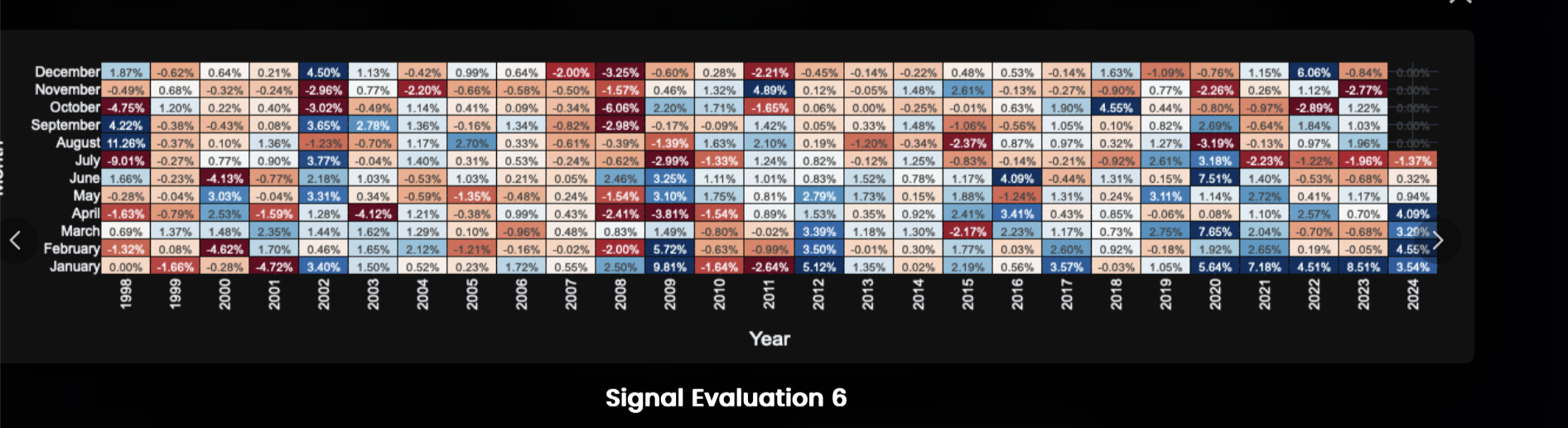
Product proof
Next step
Walk through data snapshot, strategy version and run output.
Request Demo