Data foundation

Point-in-time data your investment process can defend.

Historical research, risk review and reporting all fail when data silently changes underneath them. QJ separates instrument identity, vendor facts and investment decisions so a team can ask what was known, when it was known and which downstream decision used it.

Instrument Master Identity
Warehouse Facts + compute
User State Decisions
Audit Evidence

The questions this answers

Which instrument?

Which security did this ticker refer to on the historical date?

Which data?

Was this fact available when the research or report was produced?

Which source?

Which vendor snapshot, calendar and warehouse version produced the value?

Which downstream use?

Which portfolio, backtest, risk run or report consumed this fact?

Current foundation

What QJ can show now

  • Instrument identity centralized through Instrument Master.
  • Warehouse-owned compute for metrics, factor returns and attribution.
  • Central trading calendar instead of per-service calendar logic.
  • Source universe including SEC, Nasdaq, FMP, EODHD, CCXT and internal sources.

Fund-grade roadmap

What must become visible before stronger claims

  • Bitemporal silver tables across more facts.
  • Vendor snapshot registry with hashed deltas.
  • Coverage, freshness and confidence per asset_id.
  • Schema ownership enforced in CI.
  • Cross-layer read audit.

Product proof

Show the evidence, not only the promise.

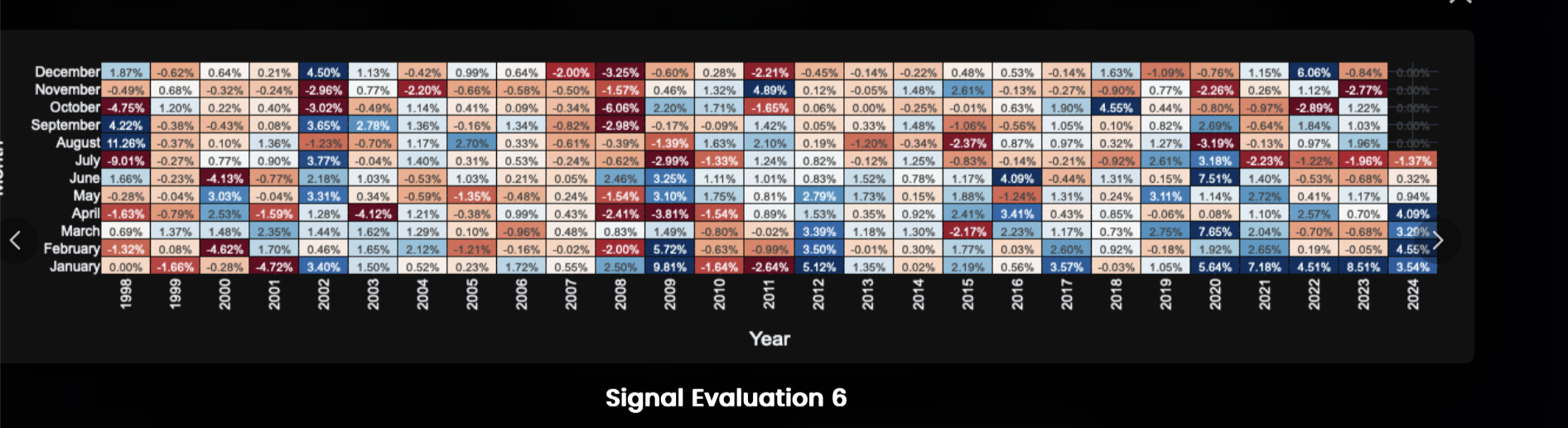
Point-in-time market heatmap
Point-in-time market state as a review surface.

Next step

Review the data architecture.

Walk through identity, facts, decisions, warehouse compute and the PIT roadmap.

Request Demo