Data Foundation
Instrument identity, vendor facts, calendar logic, warehouse compute, point-in-time design and source-to-decision lineage.
OneBook
OneBook connects the state investment teams need to trust: point-in-time data, portfolio decisions, risk runs, research definitions, thesis context, reporting outputs, API/SDK/MCP access and audit evidence.
What OneBook owns
The platform should be evaluated as a decision evidence layer above existing systems, not as a generic all-in-one suite. Each surface answers a concrete buyer question.
Instrument identity, vendor facts, calendar logic, warehouse compute, point-in-time design and source-to-decision lineage.
IBOR state, portfolios, watchlists, order intent, overrides, NAV and return series available through UI, API, SDK and MCP.
Same-book exposures, drawdowns, factor returns, attribution, benchmark comparison, scenario review and risk evidence.
Thesis state, evidence requirements, regime detection, monitor rules, watchlist decisions and Decision Packets.
Evidence for who changed, viewed, exported, reported, queried through API/MCP or acted on restricted state.
Reports and Decision Packets that point back to the same portfolio, risk and data evidence.
What OneBook does not replace
OneBook does not need to become the terminal, official book, accounting engine or administrator. Those systems produce important state. OneBook makes the investment layer able to reconcile, reproduce and defend that state.
Operating model
Owns identity and asset_id resolution.
Owns market facts, metrics, factor returns, attribution and reproducible compute.
Owns portfolios, watchlists, order intent, overrides and thesis decisions.
Records decision writes, exports, reports and cross-boundary actions.
Product proof
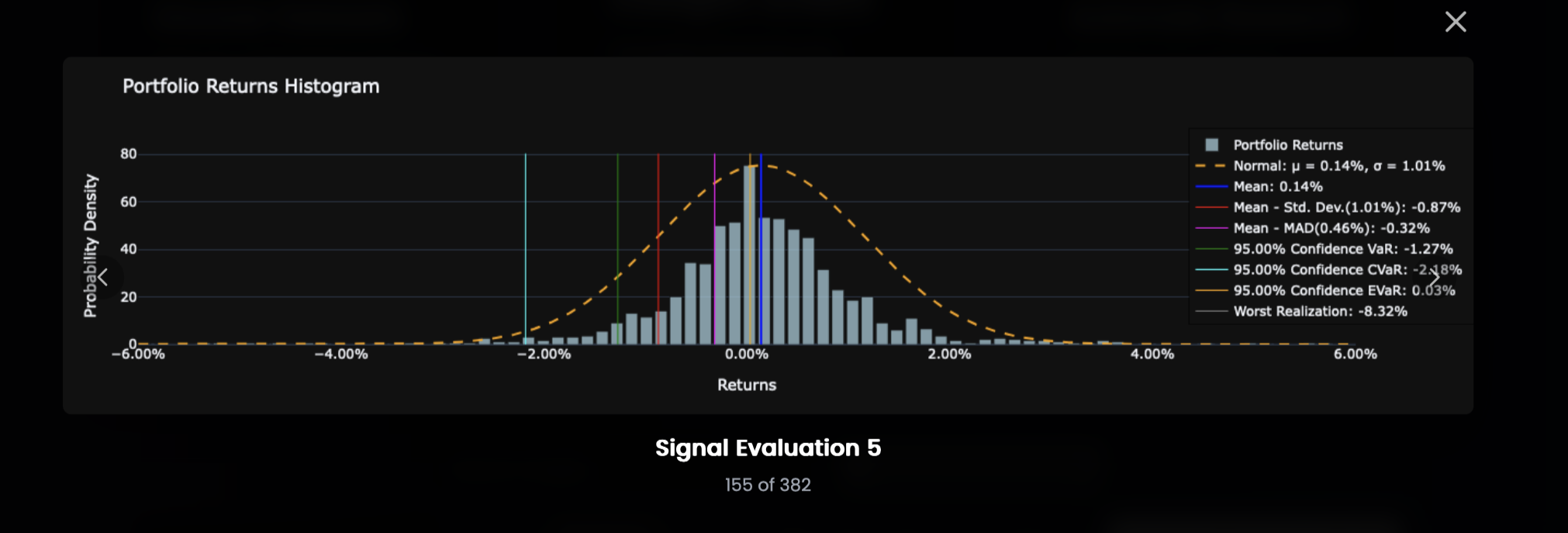
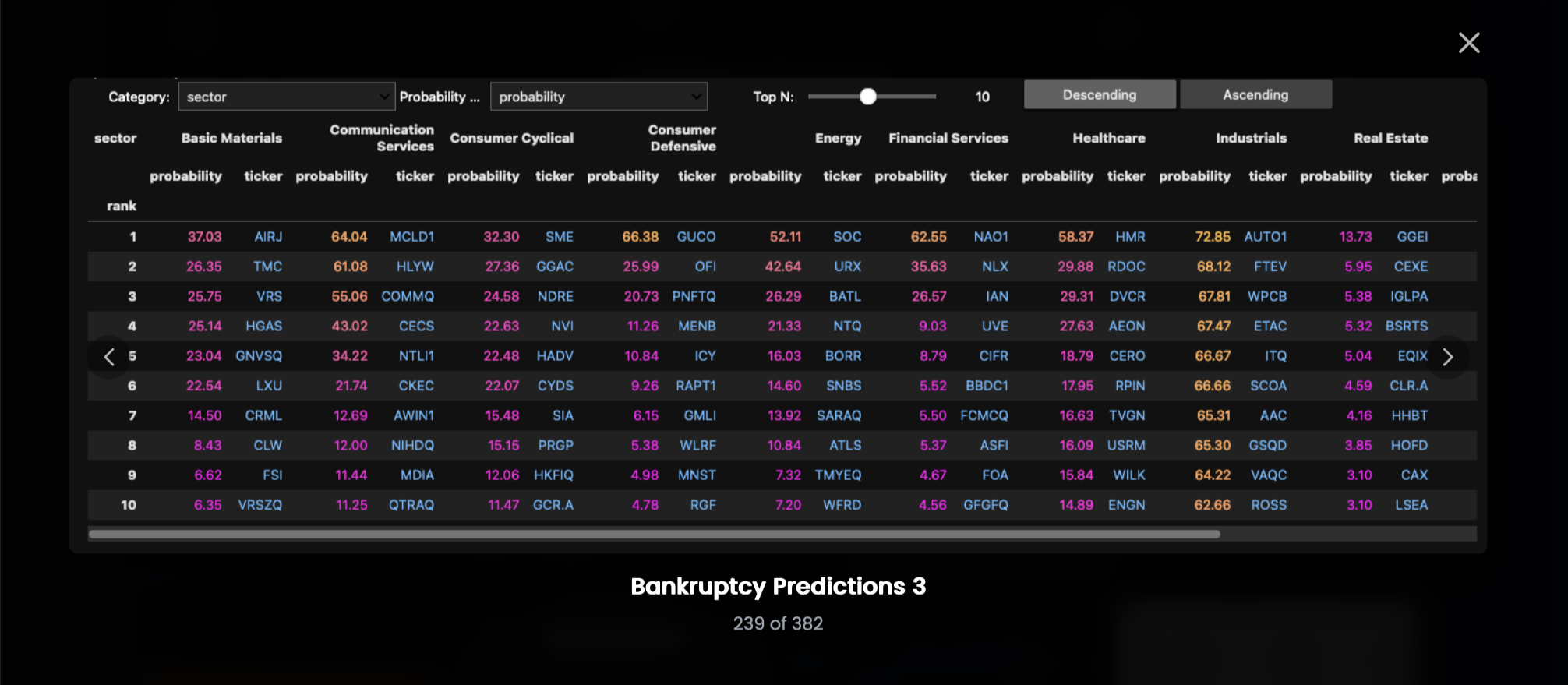
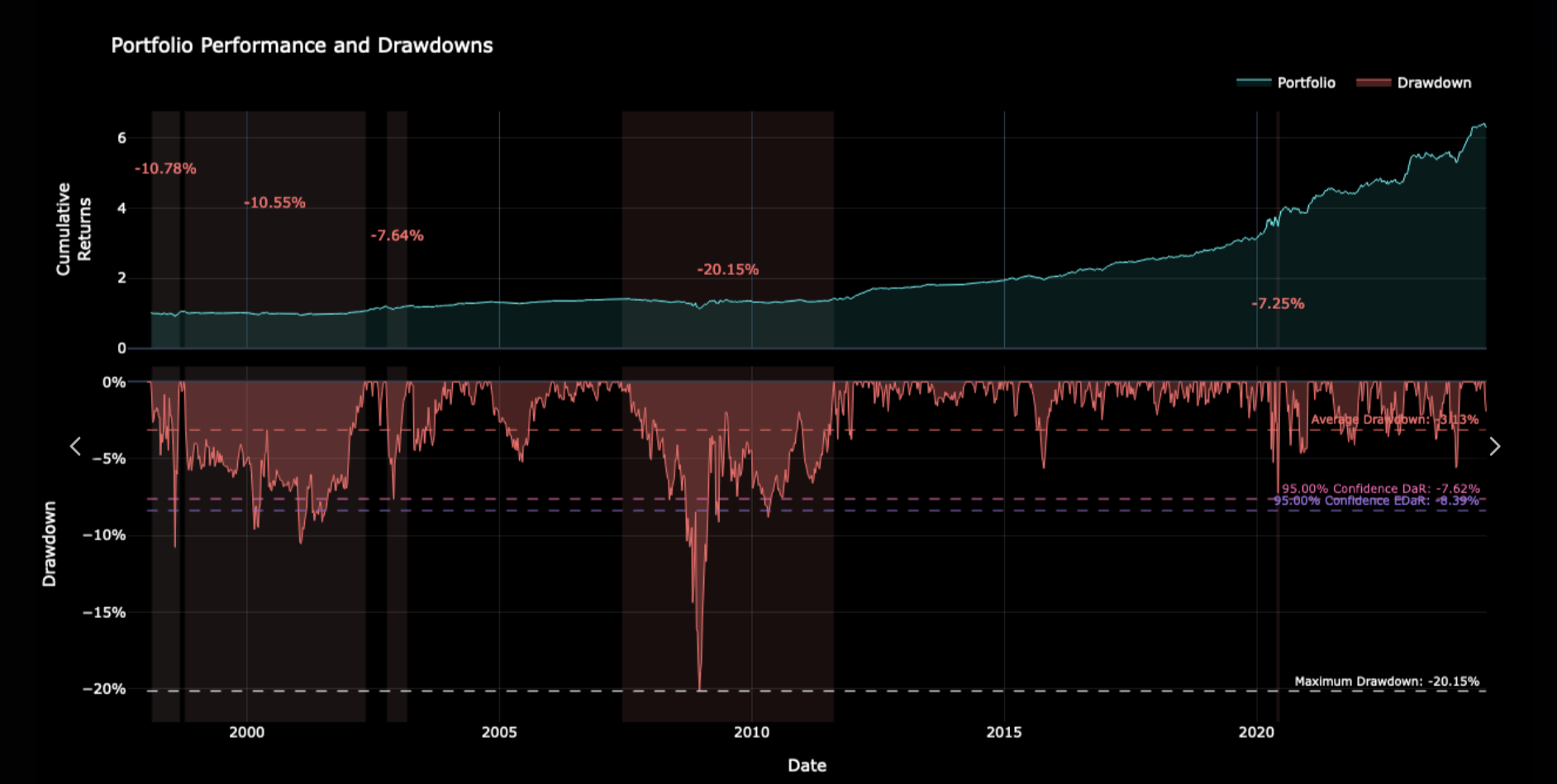
Next step
The useful demo is not a generic tour. It is a walkthrough of the place where your current stack loses trust.
Request Demo